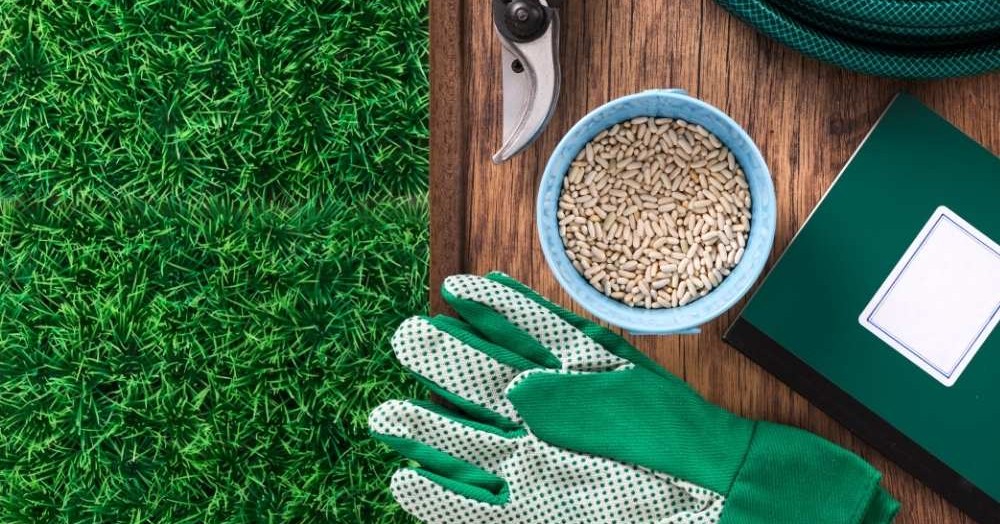
A landlord’s guide to garden maintenance for rented homes
Read our guide on landlord garden maintenance for our tips on keeping your outside areas maintained…
1. Pick your tenants carefully
If your property has a garden, you may, for example, be better focusing on longer term tenancies, who are more likely to take care of the garden, than shorter term ones.
2. Design a low maintenance garden
Go for slow growing, drought tolerant flowering shrubs and perennials combined with hard landscaping. Aim for a garden that will attract tenants without breaking the bank or requiring too much effort to maintain.
3. Clear the clutter between tenancies
If you’re getting the property ready for new tenants, take some time to remove any unwanted items. This includes items left behind by previous tenants that aren’t needed and any furniture or equipment that’s seen better days.
You could donate or sell anything you don’t want to keep but is still useable. Consider contacting a local charity or using a donation website/app. You may be able to arrange for someone to pick the items up from the property.
4. Tidy up the flowerbeds
If you have any plants growing, give them a prune to remove any dead areas. You may need to pull it up entirely if a plant can’t be revitalised.
Removing weeds will also help your garden to look neat and tidy. The local council may supply a bin for garden recycling, making the disposal of unwanted vegetation easier.
5. Check everywhere for weeds
As well as de-weeding the flowerbeds, look out for other areas in which they could be growing. This includes driveways, between paving slabs, and gravelled surfaces.
In particular, keep an eye out for Japanese knotweed. If left unchecked, it may cause damage to the foundations, walls and drainage systems of your property. You may want to hire a specialist to remove it to ensure the plant has been dealt with properly.
6. Care for the lawn
An overgrown lawn can be off-putting for prospective tenants and can be difficult to put right. For example, if too much is cut off in one go then the blades of grass may become unhealthy.
Avoid mowing when the ground is wet, as this could also damage the grass. Be aware that lawnmowers have different settings for the position of the blades and adjust them to cut the grass to the right length.
7. Get the tenancy agreement garden maintenance clause right
It may seem obvious, but the best thing to ensure is that the tenancy agreement covers the garden and stipulates whether the tenant is responsible for maintaining it. Without a tenancy agreement garden maintenance clause written, the landlord will be unable to make a successful claim for garden maintenance should an issue arise.
Need advice on your property’s maintenance needs or perhaps you’re wondering how to include certain garden maintenance in your tenancy agreement? Get in touch for advice!